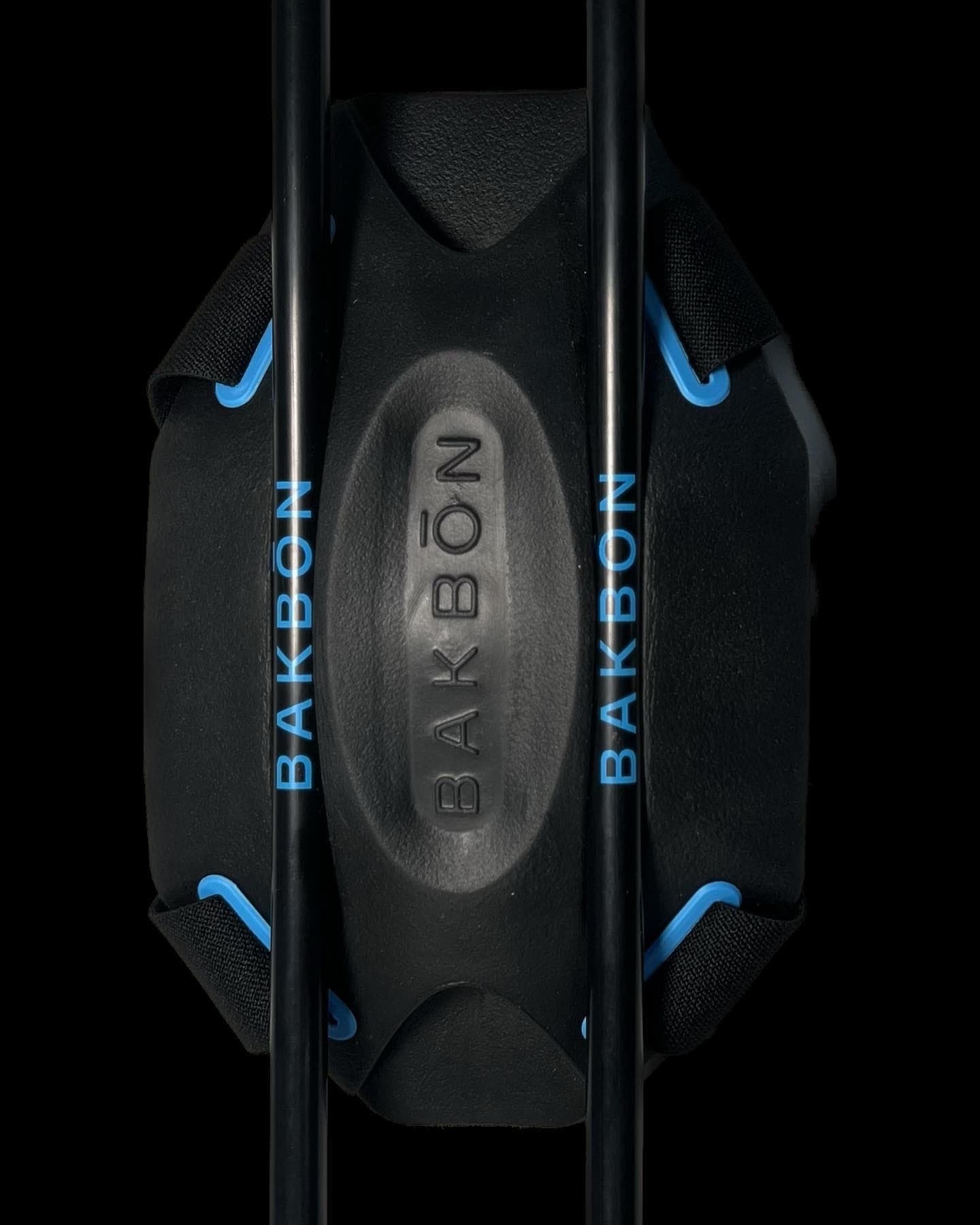
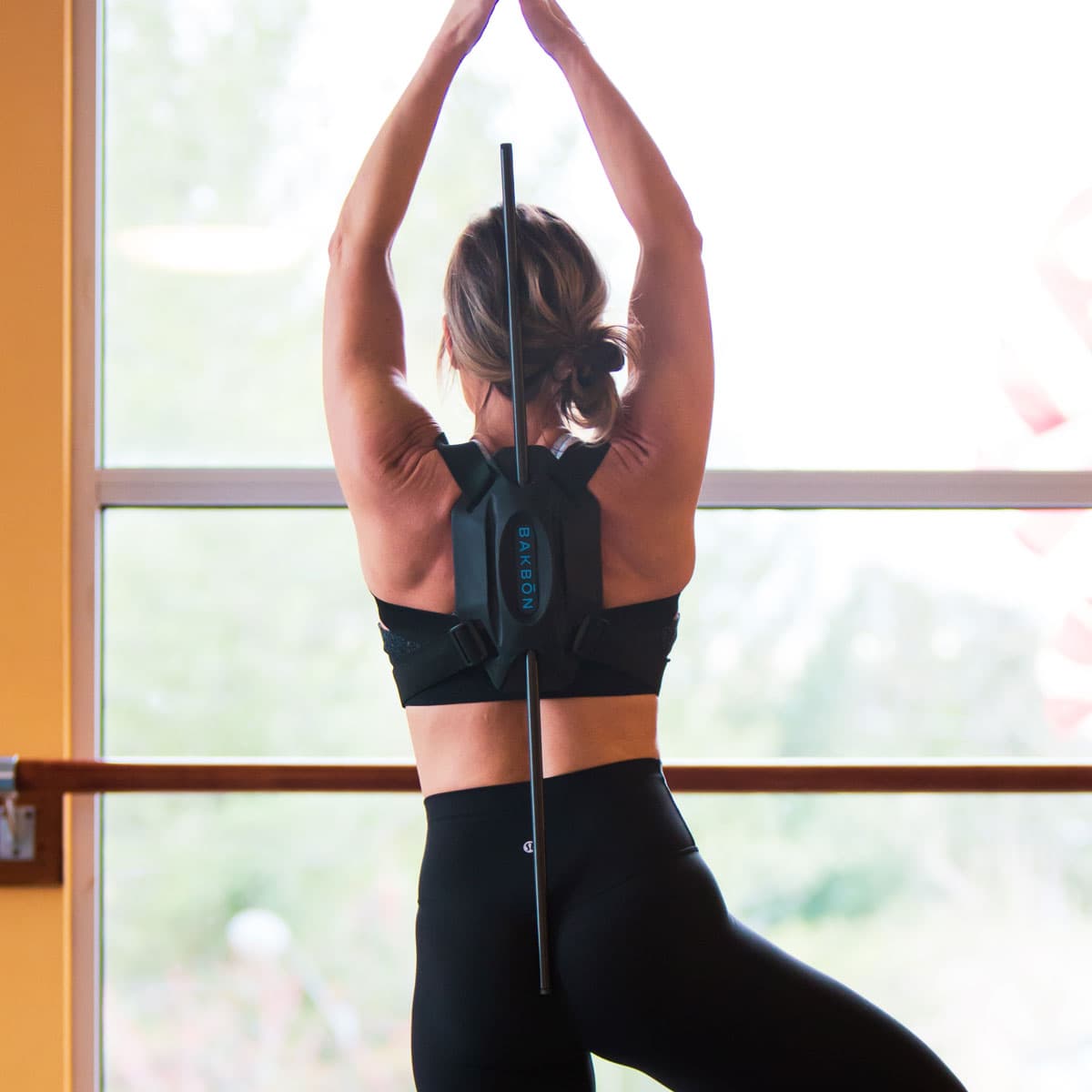
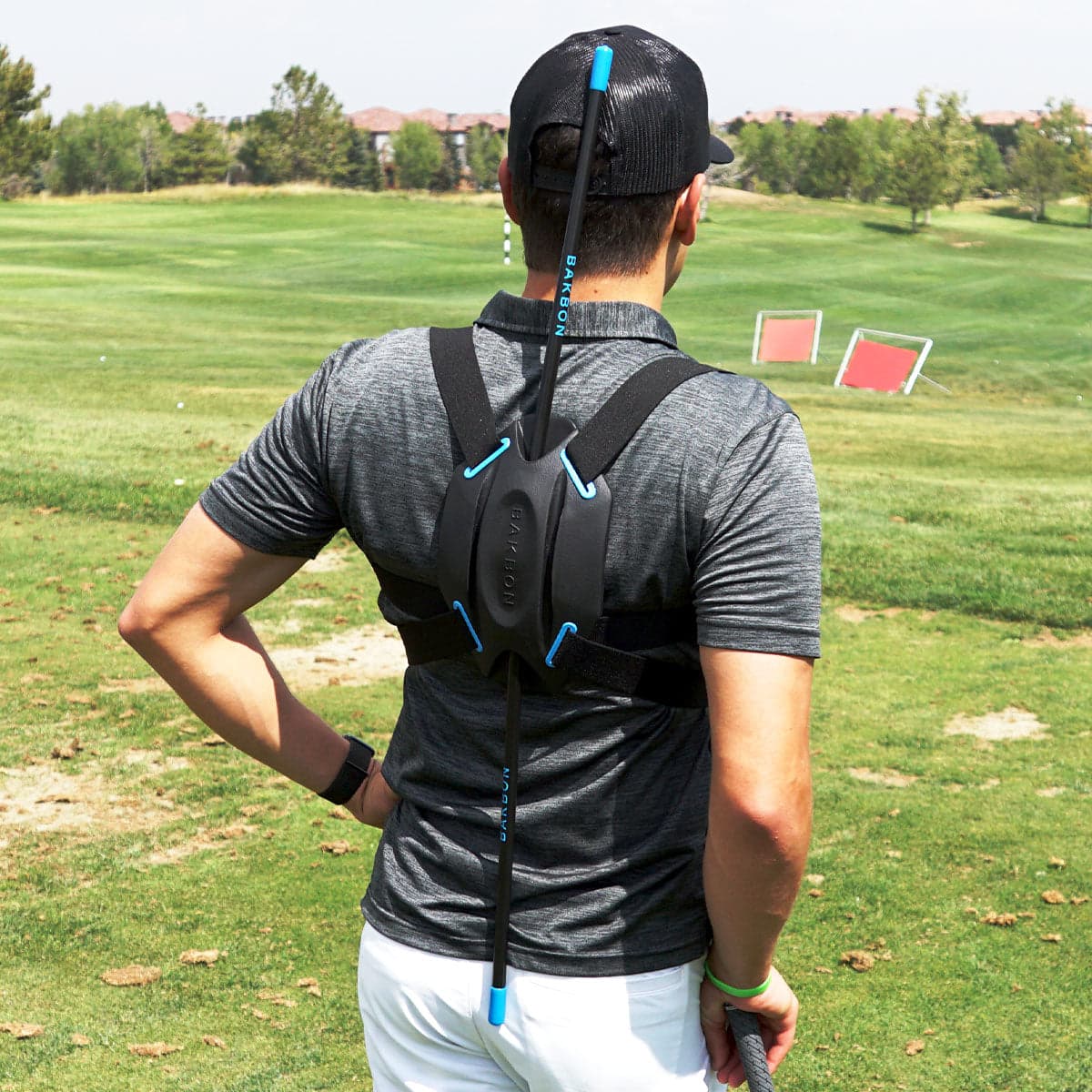
Reverse spine angle is the Titleist Performance Institute's top-ranked swing characteristic linked to low back pain in golfers. In simple terms: at the top of the backswing, the upper body tilts toward the target instead of away from it. The lead shoulder sits high, the trail hip collapses, and the L4–L5 motion segment is loaded in side-bend plus rotation plus compression all at once.
Cole & Grimshaw 2016 measured the consequences. L4–L5 absorbs compressive forces of 6.5–8× body weight at post-impact in a normally aligned amateur swing. Reverse that spine angle and those loads are concentrated on already-compromised facet joints. 28.1% of recreational golfers report low back pain after every round — and reverse spine angle is the single strongest biomechanical predictor.
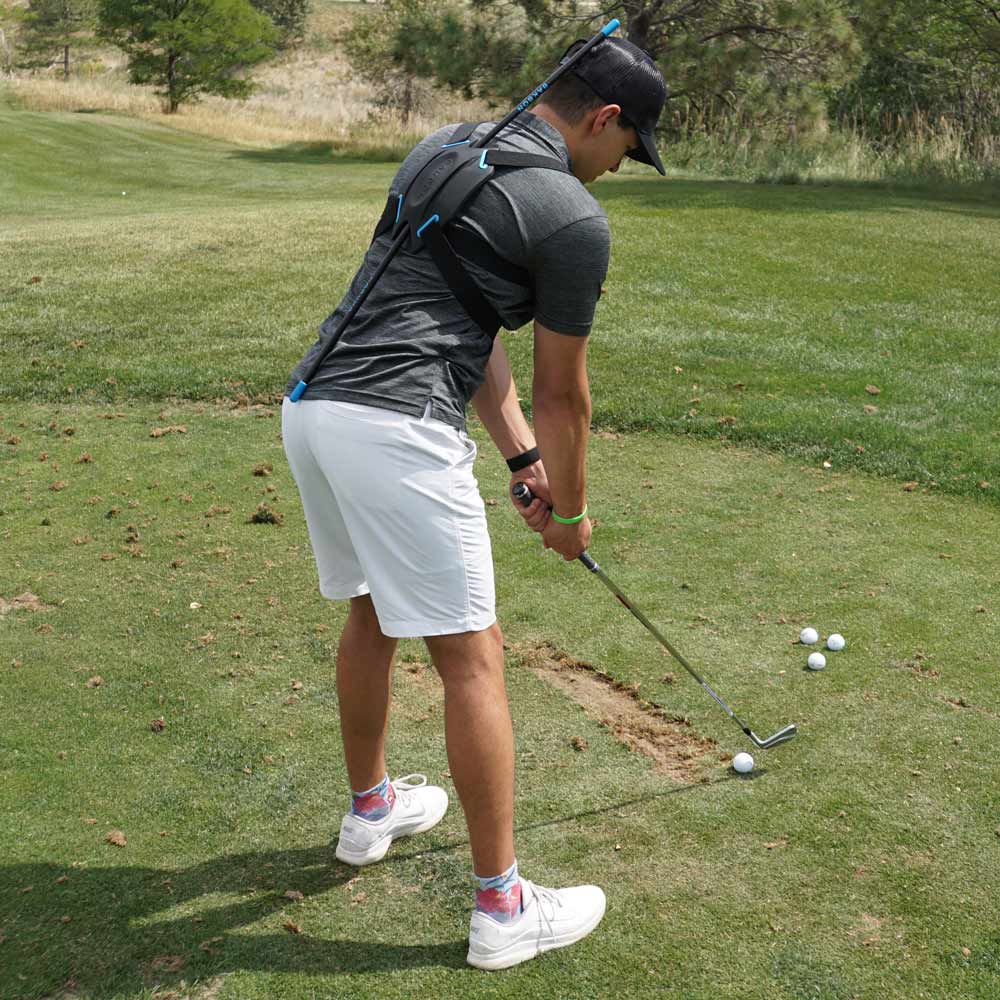
Address is ninety percent of the problem
Kyle Morris has coached tour players, D1 college athletes, and a long list of mid-handicappers out of reverse-spine patterns for fifteen years. The drill he runs most often isn't a backswing drill. It's a posture-at-address drill.
"Think about every other sport and setup. An offensive or defensive lineman who can't set up on the line of scrimmage will be on his backside in a second. Golf's the same way. Without a proper setup most golfers don't have a prayer. The rounded spine makes it impossible to turn and swing the club effectively — and they wonder why they have back pain. Not only does BAKBŌN make you set up like a champion, it finally makes consistency attainable."
Most amateurs don't know what a neutral spine feels like at address. Their pelvis tucks, their thoracic rounds, their head sits forward, their trail side collapses before the club ever moves. The swing is wrecked before the club leaves the ground. You cannot solve a swing problem downstream of a setup problem. You have to solve the setup.
The three positions where BAKBŌN earns its place in a golf bag
- —Address — single most important. The pole confirms a long spine from tailbone to crown. If you're slumping at address, you feel it instantly.
- —Top of backswing — the pole stays centered behind the torso if you rotate around a stable axis. If you tilt toward the target (reverse spine angle), the pole moves away from your spine and you self-correct.
- —Follow-through — finishing tall and balanced. The pole holds you accountable to standing up out of the swing, not collapsing through impact.

A 20-range-session protocol
Wear BAKBŌN on the driving range during warm-up and the first half of your bucket. The vertical pole gives you a continuous tactile reference — if you tilt toward the target at the top of the backswing, you feel the pole move off your spine immediately. Self-correct within three swings. You will not need a coach to tell you it happened.
- —Sessions 1–5: warm-up only. 10 full swings at address with BAKBŌN. Every swing ends with you feeling the pole against your back.
- —Sessions 6–15: swing half of the bucket with BAKBŌN, second half without. Compare ball flight.
- —Sessions 16–20: BAKBŌN only for pre-round warm-ups. The pattern holds without the device during the round itself.

The Kyle Morris bundle — a free lesson with every Golfer's Package
Every BAKBŌN Golfer's Package ships with a free online lesson at The Golf Room ($129 value). You send Kyle a swing video; you get a posture-specific assessment and a personalized ten-minute drill sequence built around your BAKBŌN setup. Golf club optional. Neutral spine required.